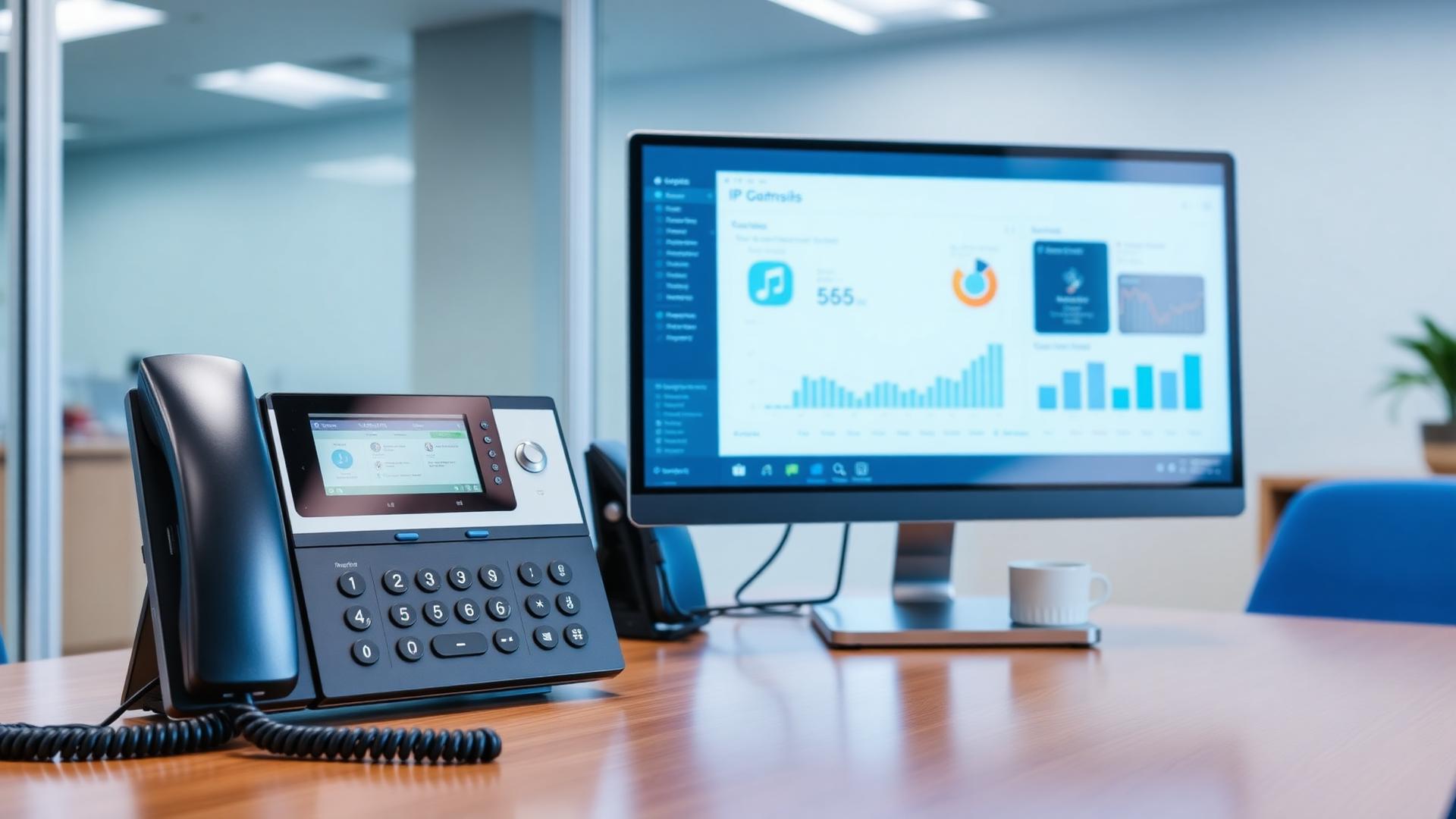
VoIP phone systems have become the standard communication platform for modern businesses. They offer flexibility, advanced features, and lower communication costs compared with traditional phone systems.
However, because VoIP systems operate over the internet, they can also be vulnerable to cybersecurity threats if they are not properly secured.
Understanding the most common VoIP security risks helps businesses protect their communication systems and avoid costly disruptions.
If you are new to VoIP technology, you may want to start with our guide: The Ultimate Guide to VoIP for Businesses in South Africa.
Why VoIP Security Matters
VoIP systems connect directly to the internet. This makes them accessible from anywhere in the world, which is both a benefit and a potential risk.
If a VoIP system is poorly configured or lacks proper security controls, attackers may attempt to:
- Intercept calls
- Access phone systems
- Make fraudulent calls
- Disrupt communication services
These threats can lead to financial losses and operational disruptions.
Common VoIP Security Risks
SIP Hacking
SIP (Session Initiation Protocol) is the protocol used to establish VoIP calls.
Attackers sometimes attempt to gain access to SIP accounts by guessing passwords or exploiting poorly configured systems.
If attackers gain access, they may:
- Make international calls
- Route calls through your system
- Consume call credit
Strong authentication and secure system configuration help prevent these attacks.
Toll Fraud
Toll fraud is one of the most common VoIP security threats.
In this type of attack, hackers gain access to VoIP systems and make large numbers of international calls to premium numbers.
This can lead to extremely high phone bills.
Preventing toll fraud typically requires:
- Call restrictions
- Authentication controls
- Monitoring systems
Denial of Service (DoS) Attacks
DoS attacks attempt to overwhelm communication systems with large amounts of traffic.
This can cause:
- Call failures
- Dropped connections
- System downtime
Firewalls and network security controls help protect VoIP infrastructure from these attacks.
Eavesdropping
Without encryption, VoIP calls could potentially be intercepted.
This risk is higher on unsecured networks.
Secure VoIP systems use encryption protocols to protect voice traffic.
Weak Passwords
Many VoIP systems are compromised simply because they use weak or default passwords.
Strong authentication policies significantly reduce the risk of unauthorised access.
How Businesses Can Secure VoIP Systems
VoIP security requires a combination of network protection, system configuration, and monitoring.
Use Business-Grade Network Security
VoIP systems should run behind secure firewalls with properly configured access rules.
Professional firewall systems help protect communication infrastructure from external threats.
Network infrastructure services ensure that communication systems operate within secure environments.
Implement Strong Authentication
VoIP platforms should enforce:
- Strong passwords
- Account lockout policies
- Secure authentication mechanisms
These controls help prevent unauthorised access.
Restrict International Calling
Many businesses do not need unrestricted international calling.
Restricting access to international destinations can significantly reduce the risk of toll fraud.
Monitor VoIP Systems
Monitoring tools help detect unusual activity such as:
- Unexpected call volumes
- Suspicious login attempts
- Unusual call destinations
Monitoring allows providers to respond quickly if a potential security issue is detected.
Ensure Reliable Connectivity
Secure and stable connectivity also plays an important role in protecting VoIP infrastructure.
Reliable business connectivity solutions help ensure that communication systems operate within secure and stable networks. Understanding VoIP bandwidth requirements also helps businesses design networks that support both security and performance.
Integrating VoIP With IT Security
VoIP systems are part of a broader technology environment that includes:
- Network infrastructure
- Firewalls
- Endpoint protection
- Cloud platforms
Managed IT services help businesses secure their entire technology stack, including communication systems.
SureTel Secure VoIP Solutions
SureTel provides business VoIP systems designed for both reliability and security.
Our communication platforms combine:
- VoIP services
- Cloud PBX platforms
- SIP trunking
- Secure network infrastructure
Because SureTel also provides connectivity and IT infrastructure services, we can design communication environments that are both reliable and secure.
Learn more about our VoIP solutions or explore our Business VoIP services designed for South African companies.
Final Thoughts
VoIP systems provide powerful communication capabilities for modern businesses, but like any internet-connected technology they must be properly secured.
By implementing strong authentication, network security, and monitoring systems, businesses can protect their communication infrastructure from common threats.
Working with experienced technology providers helps ensure that VoIP systems remain secure, reliable, and ready to support business operations.