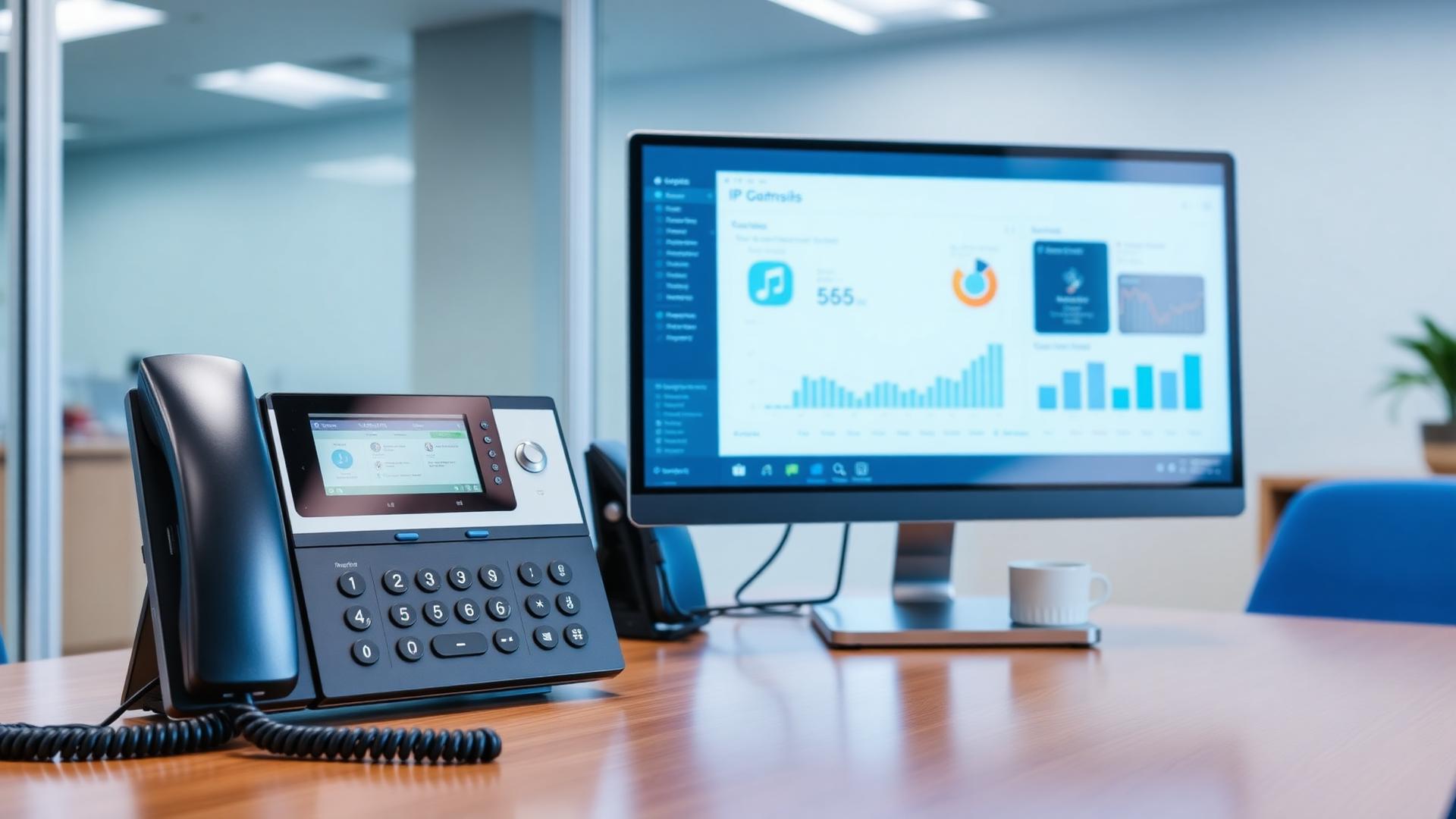
Hosted VoIP is a cloud-based phone system where the PBX infrastructure is managed by a provider and accessed through the internet. An on-premise PBX is a physical phone system installed and maintained at a business location. While both systems support business communication, hosted VoIP offers greater flexibility, easier scalability, and lower infrastructure costs for most modern organisations.
Reviewed by: SureTel Network Engineering Team
Experience: Designing and deploying VoIP and PBX solutions for South African businesses
Last Updated: March 2026
SureTel provides VoIP, Cloud PBX, SIP trunking, and connectivity solutions for businesses across South Africa. Learn more about our VoIP solutions.
What is Hosted VoIP?
Hosted VoIP (also known as Cloud PBX) is a phone system that runs on servers in a data centre rather than inside the business premises.
Instead of installing PBX hardware in the office, businesses connect their phones to a cloud platform through the internet.
Users can access the system using:
- IP desk phones
- Softphones on computers
- Mobile VoIP apps
Because the system runs in the cloud, businesses can easily add users, connect remote workers, and scale communication systems as they grow.
What is an On-Premise PBX?
An on-premise PBX is a physical phone system installed inside the business office.
The PBX hardware manages:
- Call routing
- Extensions
- Voicemail
- Internal communication
Historically, businesses connected PBX systems to telephone networks using ISDN or analogue lines, although many modern PBX systems now connect using SIP trunking.
On-premise PBX systems require:
- Server hardware
- Ongoing maintenance
- Periodic upgrades
- Dedicated technical support
Hosted VoIP vs On-Premise PBX
The biggest differences involve cost, scalability, and management responsibilities.
| Feature | Hosted VoIP | On-Premise PBX |
|---|---|---|
| Infrastructure | Cloud hosted | Local hardware |
| Setup time | Fast | Complex |
| Maintenance | Managed by provider | Managed internally |
| Scalability | Very easy | Limited |
| Remote work support | Excellent | Difficult |
| Upfront cost | Low | High |
For many businesses today, hosted VoIP provides greater flexibility and lower operational complexity.
Benefits of Hosted VoIP
Easy Scalability
Businesses can add or remove users instantly without installing new hardware.
Remote Work Support
Hosted VoIP platforms support:
- Mobile apps
- Remote desk phones
- Softphones for remote employees
This makes cloud communication systems ideal for hybrid workplaces.
Lower Infrastructure Costs
Hosted systems remove the need for expensive PBX servers and maintenance contracts. Businesses typically pay a monthly per-extension subscription instead.
Faster Deployment
Hosted systems can often be deployed within days rather than weeks.
Benefits of On-Premise PBX Systems
While cloud systems dominate modern deployments, some organisations still prefer on-premise systems.
Full Control
Companies manage their own infrastructure and security policies.
Custom Integrations
Some businesses require specialised telephony integrations.
Existing Infrastructure
Organisations with existing PBX investments may continue using them with SIP trunking.
Cost Comparison
The total cost of a phone system depends on several factors.
| Cost Type | Hosted VoIP | On-Premise PBX |
|---|---|---|
| Hardware | Minimal | High |
| Setup cost | Low | High |
| Maintenance | Included | Additional |
| Scaling | Easy | Requires hardware |
| IT resources | Minimal | Required |
Many businesses find hosted VoIP more cost-effective over time because it reduces infrastructure and maintenance costs.
Which Phone System Is Best for SMEs?
For most small and medium-sized businesses, hosted VoIP is the preferred option.
Cloud systems provide:
- Flexible communication systems
- Easy scalability
- Remote work support
- Lower operational complexity
Businesses simply need reliable internet connectivity and VoIP devices to operate the system.
Explore business connectivity options to ensure your network supports VoIP.
SureTel Hosted VoIP Solutions
SureTel provides reliable business VoIP and cloud PBX solutions designed for South African organisations.
Our services include:
- VoIP phone systems
- Cloud PBX platforms
- SIP trunking
- Call centre integrations
- Number porting
Learn more: