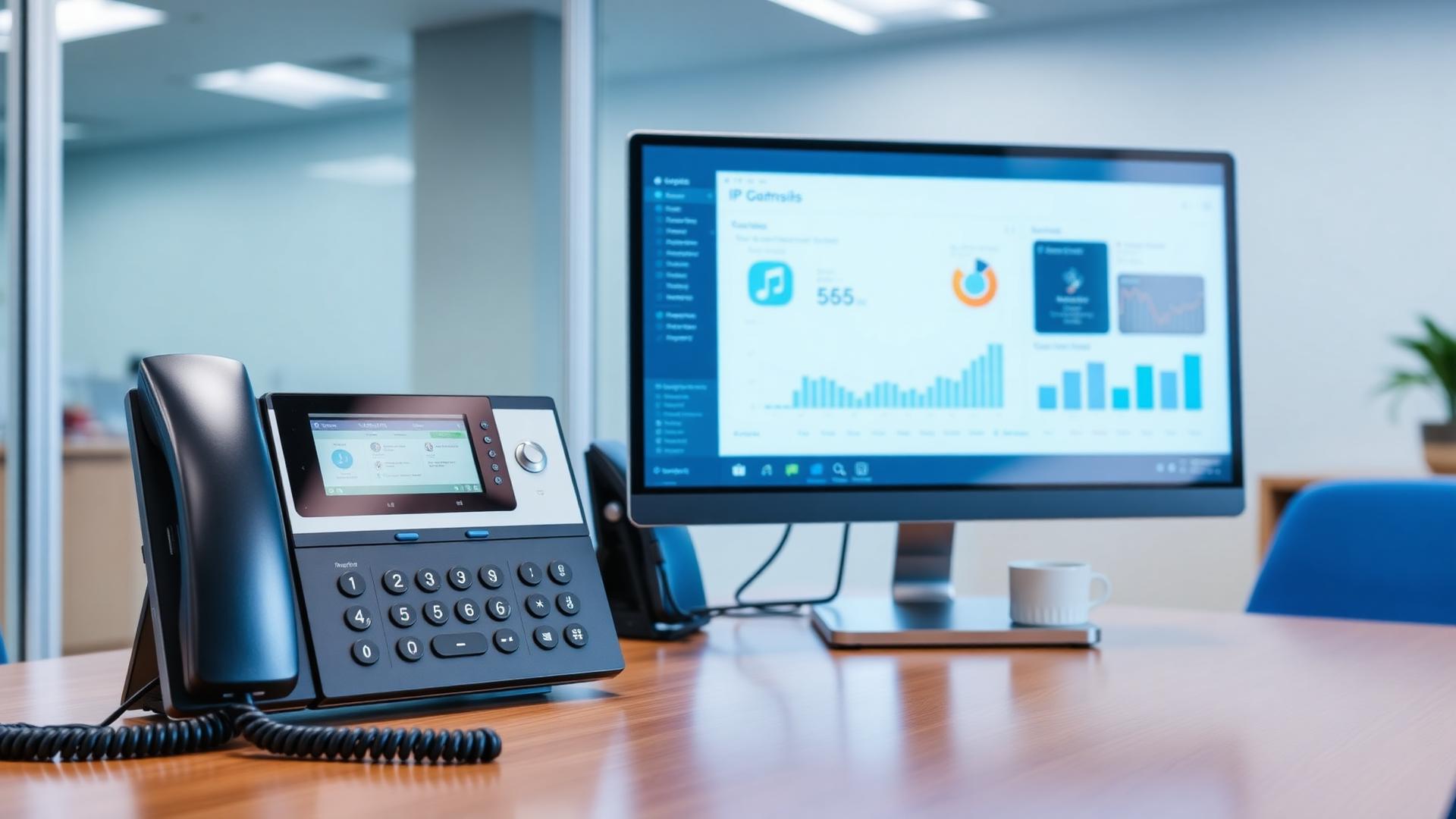
What is SIP trunking?
SIP trunking is a technology that allows businesses to make and receive phone calls over the internet using their existing PBX phone system. Instead of connecting a PBX to traditional telephone lines, SIP trunking connects the PBX to a VoIP provider through an internet connection using the SIP protocol.
This allows businesses to reduce call costs, scale phone capacity easily, and connect multiple offices to a single communication system.
Credibility
Reviewed by: SureTel Network Engineering Team
Experience: Deploying VoIP and SIP infrastructure for South African businesses and call centres
Last Updated: March 2026
SureTel provides reliable VoIP, SIP trunking, Cloud PBX, and connectivity solutions designed to power modern business communications.
What Is SIP?
SIP stands for Session Initiation Protocol.
It is the signalling protocol used to establish, manage, and terminate voice calls over IP networks.
SIP is widely used in:
- VoIP systems
- Cloud PBX platforms
- call centre platforms
- unified communications systems
SIP allows communication systems to connect to external networks and route calls through internet infrastructure rather than traditional telephone networks.
For a comprehensive introduction to voice over IP technology, read our Ultimate VoIP Guide for South African Businesses (2026).
How SIP Trunking Works
SIP trunking connects three main components:
| Component | Role |
|---|---|
| PBX phone system | Manages internal extensions |
| SIP trunk provider | Routes calls to telephone networks |
| Internet connection | Transmits voice packets |
The process typically works as follows:
- A user makes a call from their extension.
- The PBX sends the call to the SIP trunk provider.
- The SIP provider routes the call to the destination network.
- The receiving phone rings and the conversation begins.
This process replaces traditional telephone circuits.
SIP Trunking vs Traditional Phone Lines
Businesses historically used ISDN or analogue lines to connect their PBX systems. SIP trunking replaces these physical lines.
| Feature | SIP Trunking | Traditional Lines |
|---|---|---|
| Infrastructure | Internet-based | Physical lines |
| Scalability | Easy to increase channels | Limited |
| Costs | Lower call costs | Higher |
| Deployment | Fast | Slow |
| Flexibility | Supports remote offices | Limited |
Many businesses are replacing legacy telephone lines with SIP trunks to modernise their communication systems.
For a detailed comparison of VoIP technologies, see our guide on VoIP vs Cloud PBX vs SIP Trunking.
Benefits of SIP Trunking for Businesses
Lower Call Costs
SIP trunking often reduces call costs significantly, particularly for national and international calls. Businesses can take advantage of minute bundles or per-minute billing options.
Scalability
Traditional phone systems require additional physical lines when call capacity increases. With SIP trunking, businesses can easily scale call capacity by adding channels.
Multi-Office Connectivity
SIP trunking allows companies to connect multiple offices to a single PBX or communication platform. This simplifies management and improves collaboration.
Disaster Recovery
Calls can be automatically rerouted if one office loses connectivity. This improves communication reliability for organisations that depend on phone systems.
Internet Requirements for SIP Trunking
SIP trunking depends on reliable internet connectivity. Businesses should ensure their network supports:
- Low latency
- Minimal packet loss
- Stable bandwidth
VoIP calls using the G.729 codec typically use about 32 kbps upload and 32 kbps download per call.
For detailed bandwidth planning, read our guide on VoIP Bandwidth Requirements.
Businesses planning SIP trunk deployments should use reliable business connectivity such as fibre or licensed wireless links.
Explore SureTel connectivity solutions →
When Businesses Should Use SIP Trunking
SIP trunking is ideal for organisations that already have a PBX phone system but want to modernise their connectivity.
Replacing Expensive ISDN Lines
Many businesses switch to SIP trunks to reduce telecom costs and move to internet-based voice systems.
Connecting Branch Offices
Companies with multiple offices can centralise communication systems using SIP trunks.
Call Centre Environments
SIP trunking supports large call volumes and integrates easily with dialer platforms such as VICIdial.
Hybrid Communication Systems
Businesses can combine SIP trunks with Cloud PBX platforms and VoIP services for a flexible communication stack.
Common SIP Trunking Mistakes
Businesses sometimes experience problems due to poor deployment planning:
- Insufficient bandwidth — Large call volumes require proper network planning.
- Poor router configuration — Voice traffic should be prioritised using QoS.
- Weak security — SIP systems should be protected against fraud and network attacks.
- Using residential internet — Business communication systems require reliable connectivity.
Learn more about common voice quality challenges in our guide on VoIP Call Quality: Latency, Jitter and Packet Loss.
SureTel SIP Trunking Solutions
SureTel provides reliable SIP trunking services designed for South African businesses.
Our solutions include:
- SIP trunk connectivity
- VoIP phone systems
- Cloud PBX platforms
- Number porting
- Call centre integrations
Learn more:
Need the right hardware for your VoIP deployment? Read our guide on VoIP Equipment and Hardware for Businesses.