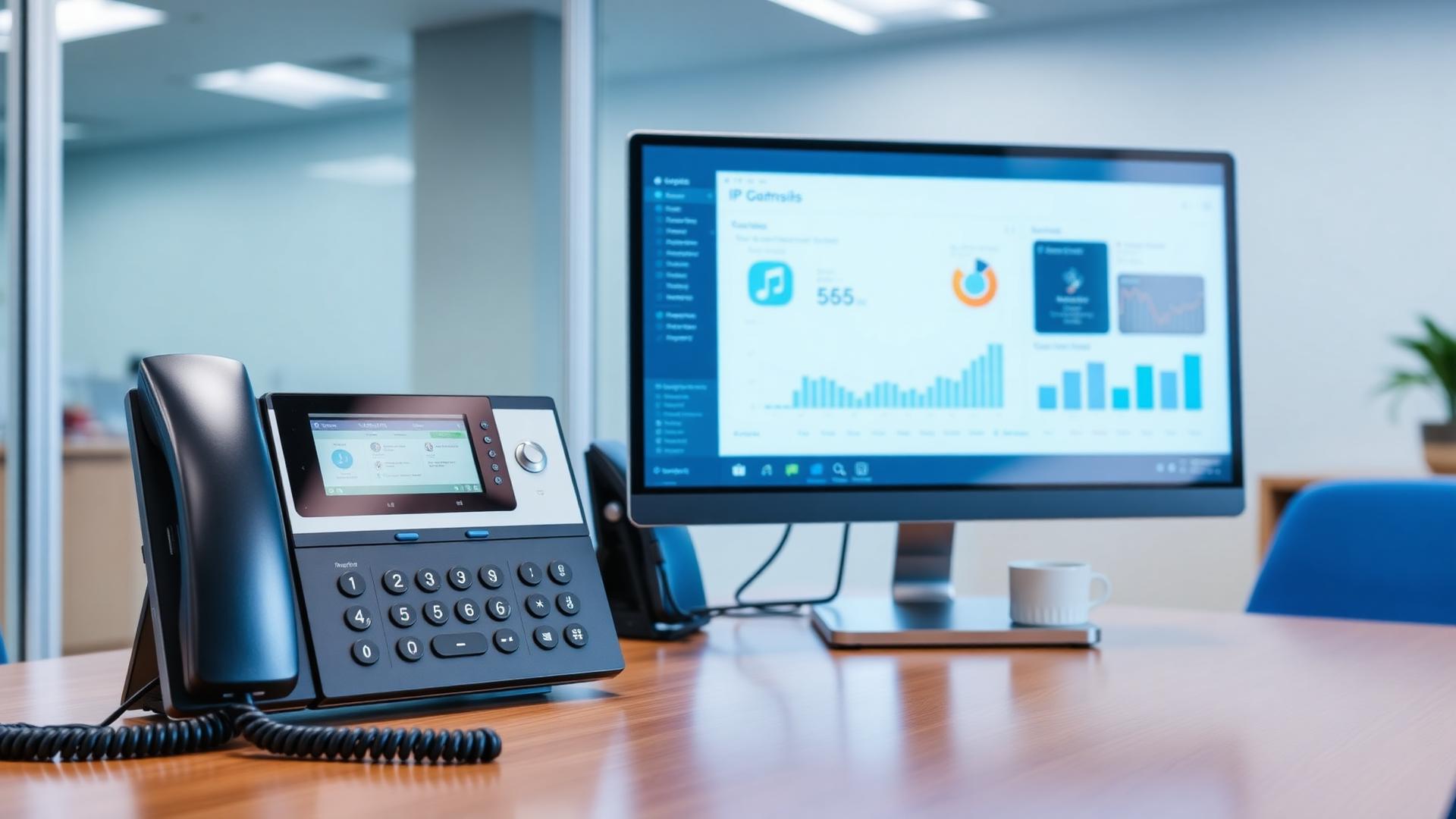
The best internet connection for VoIP is a stable, low-latency connection such as business fibre or licensed wireless connectivity. VoIP calls require minimal bandwidth but depend heavily on network stability, low latency, and minimal packet loss. While LTE backup connections can support VoIP temporarily, primary VoIP systems should run on reliable business-grade internet infrastructure.
Reviewed by: SureTel Network Engineering Team
Experience: Deploying VoIP and connectivity infrastructure for South African businesses and call centres
Last Updated: March 2026
SureTel provides VoIP, connectivity, and cloud communication systems designed for reliable business operations. Explore SureTel connectivity solutions.
Why Internet Quality Matters for VoIP
VoIP calls are transmitted as real-time voice packets over the internet.
Unlike normal web browsing, voice traffic cannot tolerate:
- High latency
- Jitter
- Packet loss
Poor connectivity results in:
- Delayed audio
- Robotic voices
- Dropped calls
- Broken conversations
Businesses deploying VoIP systems should ensure their network is designed to support real-time communication. Learn more about SureTel VoIP solutions.
Internet Requirements for VoIP
VoIP calls use relatively small amounts of bandwidth.
Using the G.729 codec, each call typically requires:
32 kbps upload and 32 kbps download
However businesses must also account for:
- Simultaneous calls
- Network overhead
- Other internet traffic
Example Bandwidth Planning
| Concurrent Calls | Bandwidth Required |
|---|---|
| 5 calls | ~320 kbps |
| 10 calls | ~640 kbps |
| 20 calls | ~1.3 Mbps |
| 50 calls | ~3 Mbps |
Bandwidth is rarely the limiting factor — connection stability is more important. Learn more about VoIP call quality factors.
Fibre Internet for VoIP
Business fibre is widely considered the best connectivity option for VoIP systems.
Benefits
- Very low latency
- Stable bandwidth
- Reliable performance
- High scalability
Fibre connections support:
- VoIP phone systems
- Cloud PBX platforms
- Call centre operations
- Video conferencing
Because of its reliability, fibre is the preferred option for most businesses deploying VoIP. Explore business fibre options.
Licensed Wireless Connectivity
Licensed wireless connectivity is another reliable option for business communication systems.
Benefits
- Fast deployment
- High stability
- Dedicated spectrum
Wireless links are often used where fibre infrastructure is unavailable. Many organisations use wireless connectivity as their primary link or failover connection.
LTE and 5G Connectivity
LTE and 5G connections can support VoIP calls but are typically used as backup connections rather than primary connectivity.
Advantages
- Fast deployment
- Mobility
- Easy setup
Limitations
- Higher latency
- Variable performance
- Network congestion
Businesses relying heavily on VoIP should use LTE primarily as a failover solution.
Internet Comparison for VoIP
| Connection Type | Reliability | Latency | Best Use Case |
|---|---|---|---|
| Fibre | Excellent | Very low | Primary VoIP connectivity |
| Licensed Wireless | Excellent | Low | Primary or backup |
| LTE / 5G | Moderate | Medium | Backup connectivity |
For best results, businesses often deploy redundant connections.
Redundancy for VoIP Systems
Organisations that depend heavily on phone systems should consider dual internet connections.
Example Setup
- Primary connection: Fibre
- Backup connection: LTE or wireless
Failover routers can automatically switch traffic if the primary connection fails. This ensures business communication remains uninterrupted.
Common Internet Mistakes for VoIP
Using Residential Internet
Home internet connections are not designed for business communication systems.
No QoS Configuration
Voice traffic should be prioritised over other network traffic using Quality of Service settings.
Running Phones Over WiFi
Wireless networks can introduce latency and packet loss. VoIP phones perform best on wired Ethernet connections.
Insufficient Redundancy
Critical systems should always have backup connectivity. Learn more about VoIP equipment and network requirements.
SureTel VoIP and Connectivity Solutions
SureTel provides fully integrated communication solutions for South African businesses.
Our services include:
- VoIP phone systems
- Cloud PBX platforms
- SIP trunking
- Business internet connectivity
- Network infrastructure
Learn more: