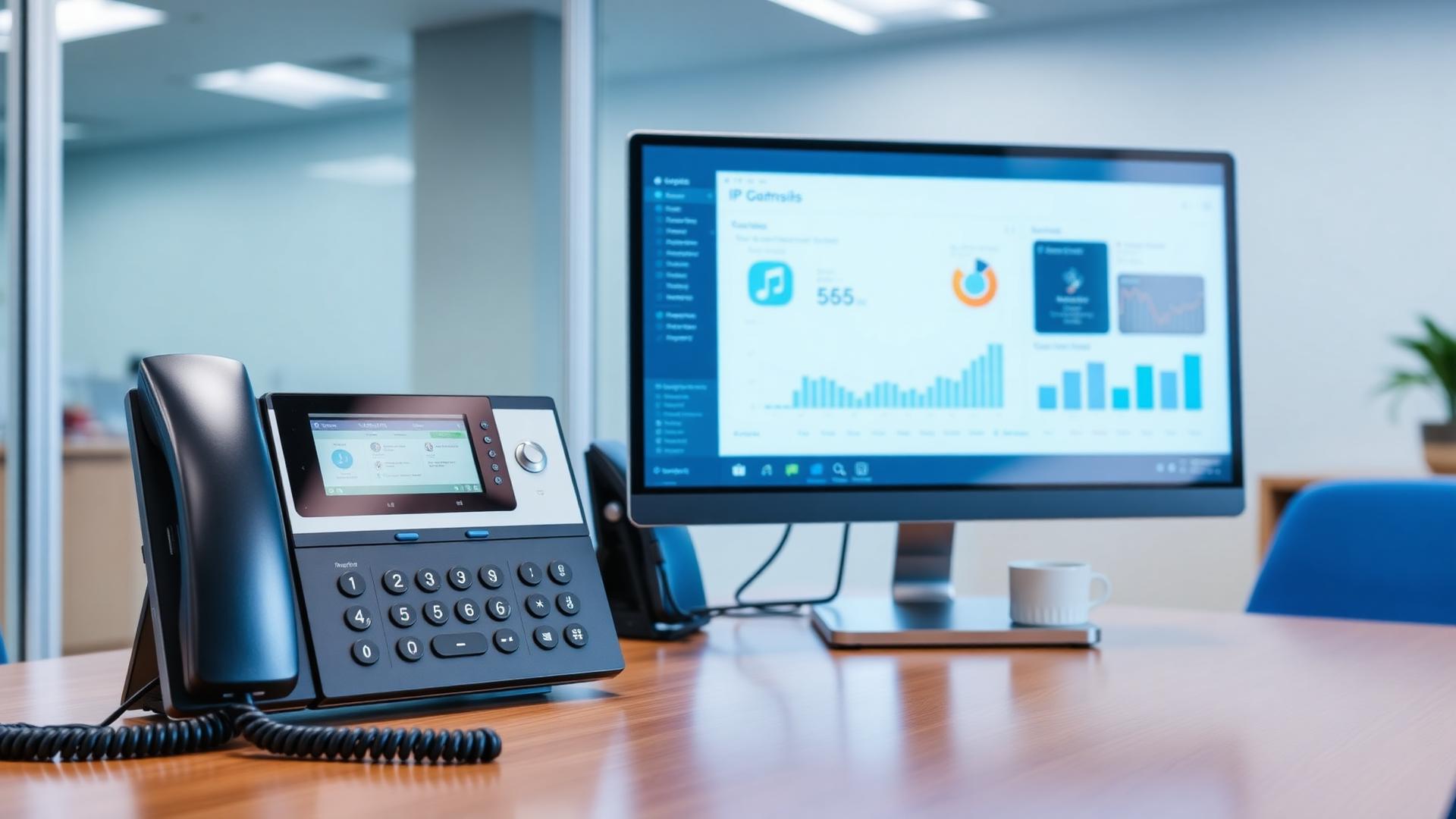
A typical VoIP phone system requires several components to operate reliably. These include VoIP phones or softphones, a stable internet connection, a router capable of handling voice traffic, and a VoIP service provider. Businesses may also deploy switches, headsets, and network infrastructure to support larger teams or call centres.
Unlike traditional phone systems, VoIP equipment is flexible and can be deployed across offices, remote teams, or call centre environments.
Credibility & Methodology
Reviewed by: SureTel Network Engineering Team
Experience: Deploying VoIP systems for South African businesses and call centres
Last Updated: March 2026
SureTel provides VoIP services, Cloud PBX platforms, connectivity, and call centre infrastructure designed to support modern business communication.
Learn more about our VoIP solutions.
Table of Contents
- Core VoIP system components
- VoIP phones and devices
- Network equipment for VoIP
- Headsets and call centre hardware
- Internet requirements for VoIP
- Optional VoIP infrastructure
- Common mistakes when choosing VoIP equipment
- FAQ
Core Components of a VoIP Phone System
Most business VoIP systems consist of four primary components.
| Component | Purpose |
|---|---|
| VoIP provider | Routes calls through the internet |
| VoIP phones or softphones | Devices used to make calls |
| Internet connection | Transmits voice packets |
| Network infrastructure | Ensures stable call quality |
Businesses looking to implement VoIP should ensure their network is designed for real-time communication traffic.
Reliable connectivity plays a major role in VoIP performance. Learn more about business internet solutions.
VoIP Phones and Endpoints
The most visible hardware in a VoIP system is the phone itself.
IP Desk Phones
IP phones connect directly to the network using Ethernet. Common features include:
- HD voice
- Programmable line keys
- Conference calling
- Call transfer
- Voicemail access
Many businesses deploy Yealink or similar IP phones for reliability and performance.
Softphones
Softphones allow users to make calls using:
- Computers
- Laptops
- Mobile devices
These applications are ideal for:
- Remote workers
- Hybrid teams
- Mobile employees
Softphones typically connect to a Cloud PBX or hosted VoIP platform.
Network Equipment Required for VoIP
VoIP performance depends heavily on the network environment.
Router
A business-grade router should support:
- Quality of Service (QoS)
- Traffic prioritisation
- Stable packet routing
QoS ensures voice traffic is prioritised over other network traffic.
Network Switch
Businesses with multiple phones often use PoE switches. Power over Ethernet allows phones to receive power directly through the network cable.
Benefits include:
- Simplified installations
- Fewer power adapters
- Centralised power management
Firewall
A firewall protects VoIP systems from threats such as:
- SIP attacks
- Toll fraud
- Network intrusion
Proper firewall configuration is essential for VoIP security.
Headsets and Call Centre Hardware
Call centres often use specialised equipment to improve productivity.
| Equipment | Purpose |
|---|---|
| Noise-cancelling headsets | Clear audio for agents |
| USB headsets | Used with softphones |
| Call centre consoles | Agent management |
| Wallboards | Live call centre statistics |
Businesses running outbound campaigns often combine VoIP systems with dialer platforms such as VICIdial.
Internet Requirements for VoIP
VoIP requires stable internet connectivity. Although bandwidth requirements are relatively low, reliability and latency are important.
Typical Bandwidth Usage
VoIP calls using the G.729 codec typically use approximately 32 kbps upload and 32 kbps download per call.
However businesses must also consider:
- Packet loss
- Latency
- Jitter
These factors affect call quality. For more detail, read our guide on VoIP bandwidth requirements.
For best results, businesses should use business-grade internet connections such as fibre or licensed wireless connectivity.
Explore SureTel connectivity services.
Optional VoIP Infrastructure
Larger organisations may deploy additional systems.
Session Border Controllers (SBC)
Protect SIP networks and manage call routing.
VoIP Monitoring Platforms
Monitor call quality metrics such as MOS (Mean Opinion Score).
Redundant Internet Connections
Provide failover if the primary link fails.
These systems improve reliability for critical communications.
Common VoIP Equipment Mistakes
Businesses often make mistakes when deploying VoIP systems.
Using Consumer Routers
Consumer routers often struggle with voice traffic. Business-grade routers with QoS support are essential.
Poor Network Configuration
Lack of QoS can cause voice packets to compete with other traffic, leading to call quality problems.
WiFi-Only Deployments
VoIP phones perform better on wired Ethernet connections. WiFi introduces latency and packet loss.
Cheap VoIP Hardware
Low-quality devices can introduce call quality issues and reliability problems.
SureTel VoIP Solutions
SureTel provides fully managed VoIP systems designed for South African businesses.
Our services include:
- VoIP phone systems
- Cloud PBX platforms
- SIP trunking
- Call centre infrastructure
- Number porting
Learn more: