Introduction
Many businesses rely heavily on phone communication to interact with customers, provide support, and close sales. In these environments, maintaining visibility into phone conversations is essential for quality control, training, and compliance.
This is where call recording becomes an important feature of modern business phone systems.
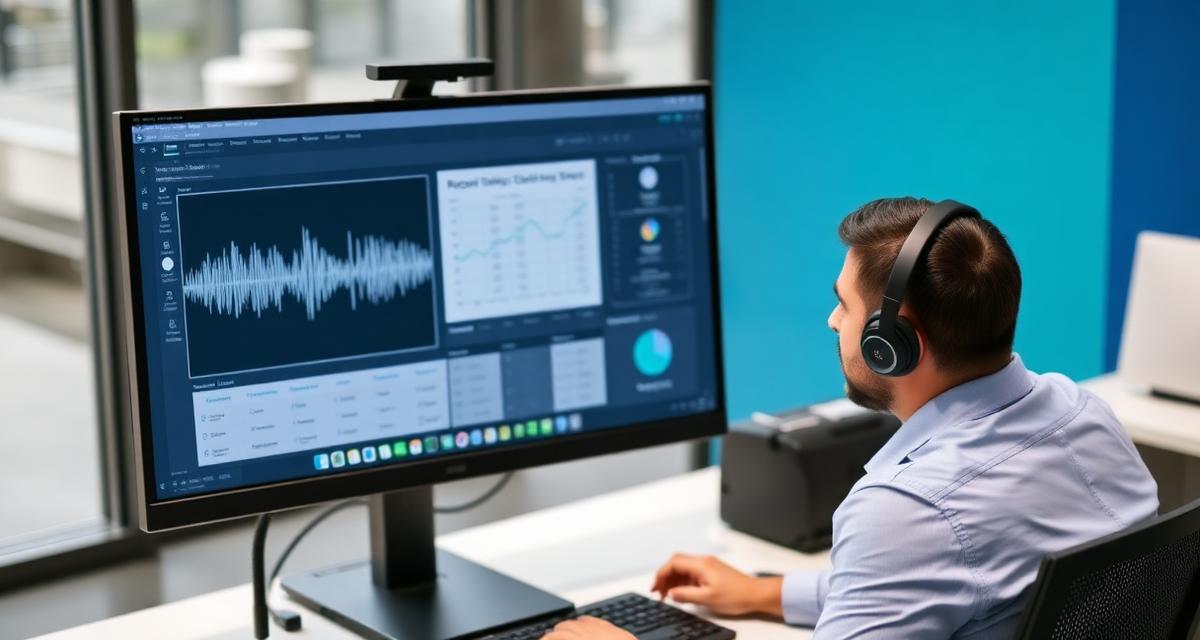
Call recording allows organisations to automatically record inbound and outbound calls for later review. These recordings can be used to improve customer service, train employees, resolve disputes, and monitor compliance requirements.
Modern Cloud PBX phone systems include built-in call recording capabilities that allow businesses to capture, store, and analyse conversations easily.
This guide explains how call recording works and how businesses use it to improve communication performance.
What Is Call Recording?
Call recording is a feature that allows businesses to automatically capture audio from phone conversations.
When a call takes place, the phone system records the audio and stores it securely for later playback. Recordings can include:
- Inbound customer calls
- Outbound sales calls
- Support conversations
- Internal calls between employees
Depending on system configuration, recordings can be stored locally or in secure cloud storage environments.
Why Businesses Use Call Recording
Call recording provides several operational and strategic benefits for organisations.
Quality Assurance
Managers can review recorded calls to evaluate how employees interact with customers. This helps businesses maintain consistent service standards and identify areas for improvement.
Employee Training
Recorded calls provide valuable examples that can be used to train new employees. Managers can demonstrate effective communication techniques using real customer interactions.
Dispute Resolution
Call recordings can help resolve disputes between customers and businesses by providing an accurate record of the conversation, eliminating ambiguity about what was discussed or agreed.
Compliance Monitoring
Certain industries require businesses to maintain records of communications with customers. Call recording helps organisations meet these regulatory requirements.
Businesses that implement systematic call recording and review processes typically see a 15–25% improvement in customer satisfaction scores within six months, driven by consistent coaching and quality feedback loops.
How Call Recording Works
Call recording systems operate within the Cloud PBX platform. When a call takes place, the PBX system captures the audio stream and saves it as a recording file.
Step 1 — Call Detection
The phone system detects that a call has started and initiates the recording process based on configured rules.
Step 2 — Audio Capture
The PBX system captures the audio from both participants in the conversation.
Step 3 — File Storage
The recorded audio is compressed and saved in a secure storage location — either cloud-based or on-premise depending on the platform.
Step 4 — Access and Playback
Managers and authorised users can access recordings through a web-based management interface with search, filtering, and playback capabilities.
Learn more: Business Phone Systems Explained.
Types of Call Recording
Cloud PBX platforms allow businesses to configure different recording approaches based on operational needs.
| Recording Method | How It Works | Best For |
|---|---|---|
| Automatic Recording | All calls recorded by default | Customer support, compliance-heavy industries |
| On-Demand Recording | Agent starts recording manually during a call | Sales teams, selective documentation |
| Selective Recording | Records only specific departments, users, or call types | Mixed environments with varying requirements |
| Pause/Resume Recording | Agent pauses recording for sensitive information (e.g., payment details) | PCI compliance, financial services |
| Screen Recording | Captures agent screen alongside call audio | Call centres, quality assurance reviews |
Call Recording for Customer Support Teams
Customer support departments frequently use call recording to monitor service quality.
Managers can review calls to ensure agents follow company procedures and provide accurate information to customers. Key use cases include:
- Evaluating agent performance against quality benchmarks
- Identifying recurring customer issues and pain points
- Coaching agents on specific interaction improvements
- Documenting escalated or complex support cases
Recordings also help identify areas where additional training may be required.
For managing support call volumes effectively, see: Call Queues Explained.
Call Recording for Sales Teams
Sales teams use call recordings to analyse customer conversations and improve sales techniques.
Managers can review calls to understand how sales representatives interact with prospects and identify opportunities to improve closing rates. Benefits include:
- Analysing successful sales calls to identify winning patterns
- Training new representatives using real examples
- Documenting verbal agreements and commitments
- Improving objection handling through review and coaching
Legal and Compliance Considerations
Businesses using call recording must ensure they comply with applicable laws and regulations.
In South Africa and many other jurisdictions, callers must be informed that calls may be recorded. This is typically done through automated messages at the beginning of a call:
"This call may be recorded for quality and training purposes."
Key compliance considerations include:
- Notifying callers that recording is taking place
- Securing recorded data with appropriate access controls
- Defining data retention policies for stored recordings
- Ensuring compliance with POPIA (Protection of Personal Information Act) in South Africa
- Pausing recordings when sensitive data (e.g., payment card numbers) is shared
Organisations should consult legal professionals to ensure full compliance with local regulations.
Under South Africa's POPIA and the RICA Act, businesses must inform callers that their calls may be recorded. Failing to provide proper notification can expose organisations to legal liability. Most Cloud PBX systems can play automated recording disclosures before connecting calls.
Managing Call Recordings
Cloud PBX platforms provide several tools for managing recorded calls efficiently:
- Searchable call recording databases with date, agent, and caller filters
- Web-based playback interfaces with speed controls
- Recording download and export capabilities
- Role-based access controls to restrict who can listen to recordings
- Automatic retention policies that archive or delete old recordings
- Tagging and annotation tools for flagging important calls
These features allow businesses to manage large volumes of recordings efficiently without manual overhead.
Call Recording and Business Analytics
Modern communication platforms combine call recording with analytics tools to provide deeper insights.
Businesses can analyse recorded conversations to identify trends such as:
- Frequently raised customer concerns and complaints
- Product feedback and feature requests
- Service quality patterns across teams or time periods
- Average call handling times and first-call resolution rates
This insight helps organisations improve products, services, and customer experiences through data-driven decisions.
Combine call recording with call analytics dashboards to identify patterns across hundreds of calls. Look for correlations between call duration, resolution rates, and customer satisfaction to optimise team performance.
Cloud PBX Call Recording Systems
Modern Cloud PBX systems integrate call recording seamlessly with other communication features such as:
- Auto attendants for structured call routing
- Call queues for managing waiting callers
- Call analytics and reporting dashboards
- CRM integrations for linking recordings to customer records
- Voicemail-to-email for message management
These features create a comprehensive communication management environment that helps businesses improve customer interactions and operational efficiency.
For broader PBX capabilities, explore: PBX Features Every Business Should Have.
Modern Communication Solutions for Businesses
Businesses that rely on phone communication need visibility into customer conversations.
SureTel provides Cloud PBX and VoIP communication solutions designed to help businesses manage communication effectively, including advanced call recording capabilities.
Our solutions help organisations:
- Monitor communication quality with automatic recording
- Train employees effectively using real call examples
- Resolve customer disputes with accurate call records
- Meet compliance requirements with secure storage and notifications
Speak to a SureTel Specialist
If your organisation requires a communication system with advanced call recording capabilities, SureTel can help design the right solution for your business.
Speak to a Specialist Today