Introduction
Fast and reliable internet connectivity has become essential for modern businesses. From cloud software and video conferencing to VoIP phone systems and customer support platforms, nearly every business system today depends on stable internet access.
One of the most reliable technologies available is fibre internet. Fibre connectivity has transformed how businesses operate by delivering extremely fast speeds, low latency, and consistent performance.
This guide explains everything businesses need to know about fibre internet for business, including how it works, its benefits, and how to choose the right fibre provider.
If you are still exploring connectivity options, you may also want to read our Ultimate Guide to Business Internet Solutions in South Africa, which explains the different internet technologies available.
What Is Fibre Internet?
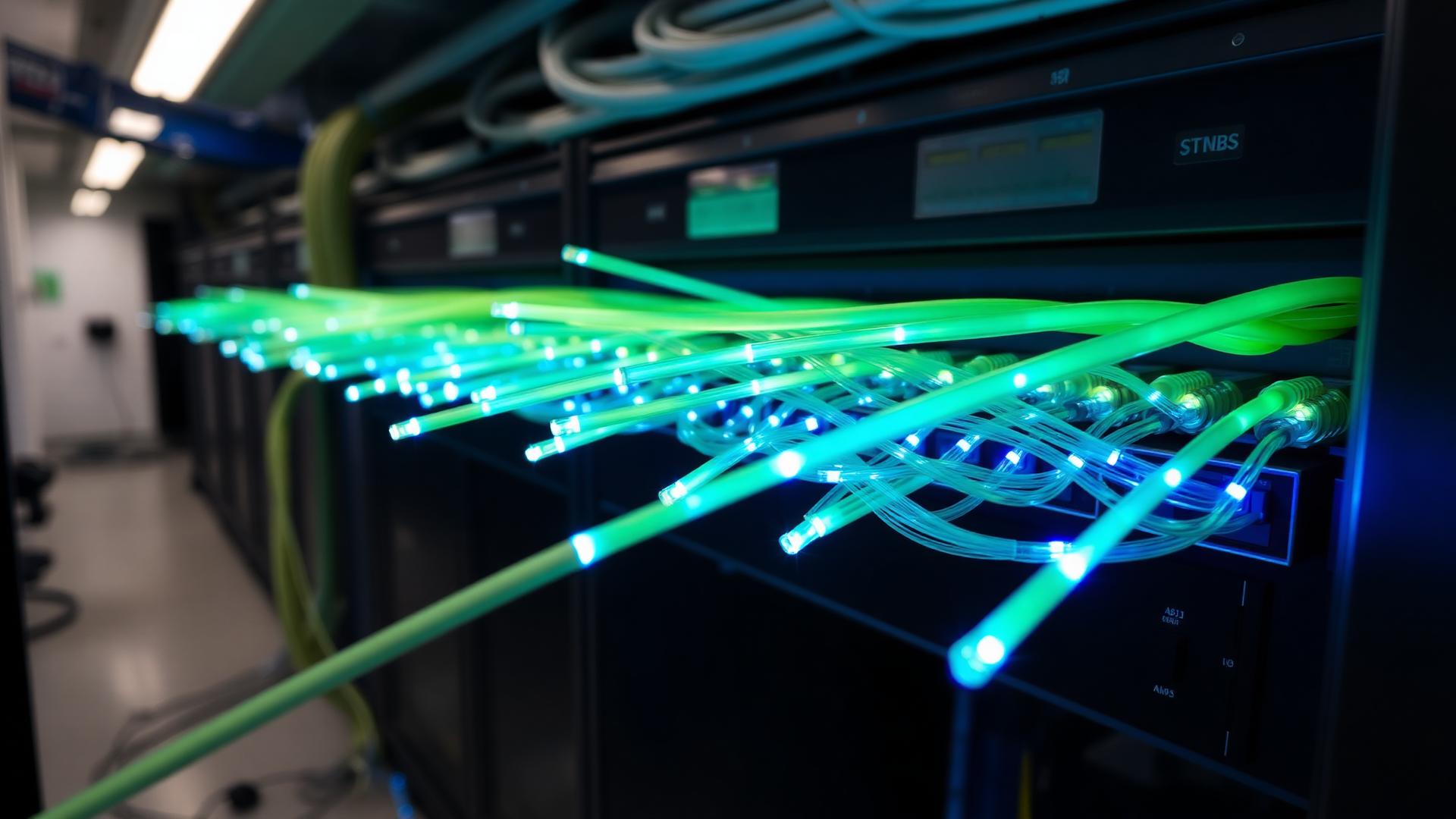
Fibre internet uses fibre optic cables to transmit data as light signals rather than electrical signals used by traditional copper networks.
This allows fibre networks to deliver extremely fast and stable internet connections.
Key characteristics of fibre connectivity include:
- Extremely high speeds
- Low latency
- High reliability
- Scalable bandwidth
- Strong performance for cloud services
Because fibre connections are dedicated and stable, they are ideal for businesses that depend heavily on online systems.
How Fibre Internet Works
Fibre optic cables contain extremely thin strands of glass or plastic that transmit data using pulses of light.
Compared to copper networks, fibre has several advantages:
| Technology | Medium | Speed | Reliability |
|---|---|---|---|
| ADSL | Copper | Slow | Low |
| LTE | Wireless | Medium | Variable |
| Wireless | Radio | Medium–High | Good |
| Fibre | Light | Very High | Excellent |
Because fibre uses light transmission, it is far less affected by electrical interference or distance.
This allows fibre internet providers to deliver high-speed connections that remain stable even during peak hours.
Benefits of Fibre Internet for Businesses
High Internet Speeds
Fibre internet offers significantly faster speeds than most other internet technologies.
Businesses can access symmetrical speeds such as:
- 50 Mbps
- 100 Mbps
- 200 Mbps
- 500 Mbps
- 1 Gbps or higher
High speeds improve productivity for businesses using cloud applications and large data transfers.
Low Latency
Latency refers to the delay between sending and receiving data.
Fibre networks typically provide very low latency, which is essential for:
- VoIP phone systems
- Video conferencing
- Cloud applications
- Call centre platforms
Low latency ensures clear voice calls and smooth communication.
Reliable Connectivity
Business operations depend on stable connectivity. Fibre networks are far more reliable than traditional broadband technologies.
Because fibre infrastructure is less susceptible to environmental interference, businesses experience fewer disruptions.
Reliable connectivity is especially important for organisations that rely on:
- CRM systems
- Remote teams
- Customer support centres
- Online transactions
Scalability
As businesses grow, their internet requirements increase.
Fibre internet allows companies to easily upgrade bandwidth without changing infrastructure.
This makes fibre an ideal long-term connectivity solution.
Who Needs Fibre Internet?
Fibre internet is ideal for businesses that depend on cloud platforms, communication systems and online collaboration.
Organisations that benefit most from fibre connectivity include:
Small and Medium Businesses
SMEs often rely heavily on cloud software such as accounting platforms and collaboration tools.
Call Centres
Call centres require stable connections to support VoIP communication and CRM platforms.
Professional Services
Legal firms, consultants and agencies require reliable connectivity for email, document sharing and video meetings.
Medical Organisations
Healthcare providers rely on secure systems and reliable internet connectivity.
Manufacturing and Factories
Factories often depend on network infrastructure and monitoring systems that require stable connectivity.
Common Fibre Internet Problems Businesses Experience
Although fibre is extremely reliable, businesses can still experience connectivity issues depending on the provider and infrastructure.
Network Congestion
Oversubscribed networks can cause slow speeds during peak hours.
Poor Internal Network Setup
Sometimes the problem is not the fibre connection but the internal network.
Issues may include:
- Outdated routers
- Poor WiFi coverage
- Unmanaged switches
Poor Technical Support
Businesses often struggle with providers that offer only basic call centre support.
Reliable providers should offer experienced technical support teams that understand business environments.
Fibre Internet vs Wireless Internet
Some businesses need to decide between fibre and wireless connectivity.
Here is a simplified comparison:
| Feature | Fibre Internet | Wireless Internet |
|---|---|---|
| Speed | Very high | High |
| Reliability | Excellent | Good |
| Deployment time | Longer | Faster |
| Availability | Limited by infrastructure | Wider coverage |
If fibre infrastructure is not available in your area, licensed wireless connectivity can be an excellent alternative.
You can learn more in our Wireless Internet for Business Guide.
Why Businesses Should Have Backup Internet
Many businesses rely on a single internet connection.
However, outages can occur due to:
- Fibre breaks
- Infrastructure faults
- Construction damage
For this reason, many companies implement backup internet connections such as LTE or wireless failover.
Backup connectivity ensures business operations continue even if the primary connection fails.
You can learn more in our Backup Internet Solutions for Businesses Guide.
Choosing the Right Fibre Internet Provider
Selecting the right provider is just as important as selecting the right technology.
Businesses should consider the following factors:
Reliability
Choose providers with strong network infrastructure and uptime guarantees.
Technical Support
Ensure the provider offers experienced technical support rather than basic call centre assistance.
Monitoring
Proactive monitoring helps detect issues before they affect operations.
Integration
Businesses benefit from providers that offer integrated solutions such as connectivity, VoIP and managed IT services.
SureTel Business Fibre Internet Solutions
SureTel provides reliable fibre connectivity solutions designed specifically for business environments.
Services include:
- Business fibre internet
- Static IP options
- Enterprise connectivity solutions
- Network infrastructure services
These services help businesses stay connected, productive and secure.
SureTel focuses on delivering reliable connectivity supported by proactive monitoring and real technical support.
Related Resources
Businesses researching connectivity solutions may also find these guides helpful:
- The Ultimate Guide to Business Internet Solutions
- Wireless Internet for Business
- How Much Internet Speed Does a Business Need
- Backup Internet Solutions for Businesses
- How to Choose the Best Internet Provider
Conclusion
Fibre internet is one of the most reliable connectivity solutions available for businesses today. With high speeds, low latency and scalable bandwidth, fibre networks support the modern digital workplace.
Businesses that rely on cloud systems, communication platforms and online collaboration benefit greatly from fibre connectivity.
Choosing the right fibre provider ensures businesses receive the reliability and support they need to operate efficiently.
If your organisation is looking for reliable business fibre connectivity, speaking with a connectivity specialist can help determine the best solution for your location and operational needs.