What Is Server Colocation?
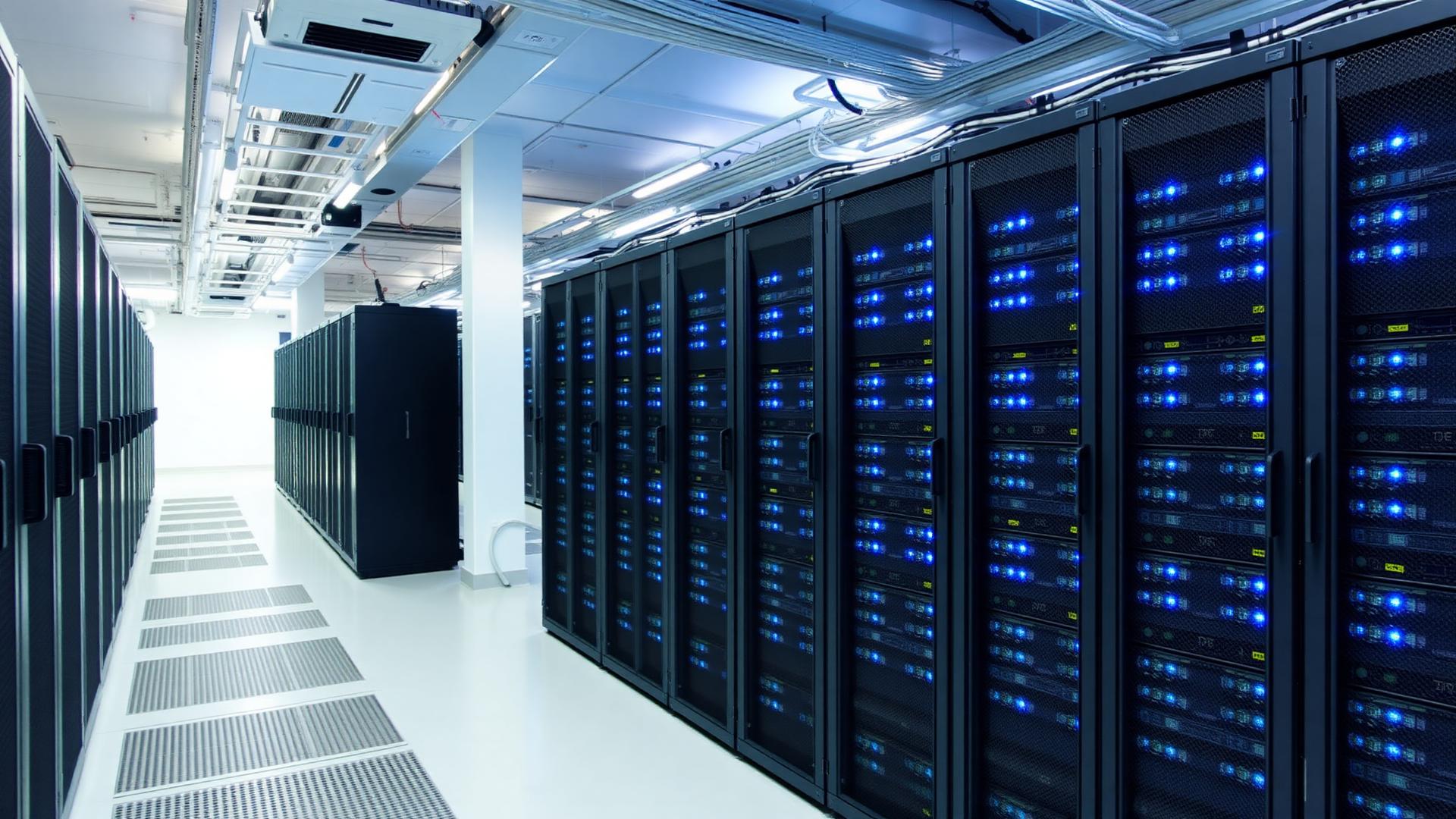
Colocation hosting is an infrastructure model where you own your dedicated server hardware but house it in a professional data centre. The facility provides the rack space, power, cooling, physical security, and network connectivity — while you retain full control over your servers, operating systems, and data.
Think of it as renting a premium parking bay for your car. You own the vehicle and drive it however you want — but the parking facility provides the secure building, CCTV, climate control, and access management.
For enterprise IT managers in South Africa, colocation solves a fundamental problem: how do you get Tier III reliability without building and maintaining your own data centre?
Strategic Benefits of Colocation Hosting
1. Enterprise-Grade Power Redundancy
South Africa's load-shedding reality makes this the single biggest advantage. Professional data centres provide N+1 UPS systems, diesel generators with 48+ hours of fuel, and automatic transfer switches. Your servers stay online through any power disruption — something no office server room can guarantee.
2. Hardware Ownership & Control
Unlike cloud or VPS hosting, colocation lets you choose your exact hardware specifications. Custom RAID configurations, specific CPU architectures, GPU compute cards, high-memory configurations — you're not limited to a provider's menu. You own the asset and control the lifecycle.
3. Predictable Performance
Your dedicated server delivers consistent performance with no "noisy neighbour" effect. CPU, RAM, storage I/O, and network throughput are entirely yours. This is critical for latency-sensitive applications, databases, and high-traffic workloads.
4. Network Diversity
Carrier-neutral data centres connect to multiple upstream providers. Your servers benefit from redundant internet paths, low-latency peering, and the ability to bring your own IP space. This level of connectivity is impossible to replicate in an office.
5. Physical Security
Biometric access control, mantrap entries, 24/7 CCTV surveillance, security guards, and visitor logging. Data centre physical security far exceeds what any office building can provide.
6. Disaster Recovery
By placing your infrastructure in a purpose-built facility with fire suppression, flood protection, and seismic considerations, you dramatically reduce your disaster risk compared to an office server room.
In-House Server Room vs Colocation: Full Comparison
| Factor | In-House Server Room | Colocation (Tier III) |
|---|---|---|
| Power redundancy | Single utility feed + basic UPS | Dual utility feeds, N+1 UPS, diesel generators |
| Load-shedding protection | Limited (inverter/small genset) | Full protection (48+ hour fuel reserves) |
| Cooling | Office aircon (not designed for IT) | Precision cooling with N+1 redundancy |
| Physical security | Office locks, maybe CCTV | Biometric, mantrap, 24/7 guards, CCTV |
| Fire suppression | Standard office sprinklers | FM-200/Novec gas suppression (no water) |
| Network connectivity | Single ISP | Multiple carriers, peering exchanges |
| Uptime SLA | No SLA | 99.99%+ guaranteed |
| Scalability | Limited by office space/power | Add rack units or racks as needed |
| Compliance | Difficult to certify | SOC 2, ISO 27001 certified facilities |
| Staff access | Business hours | 24/7/365 |
Power Redundancy: The Primary Advantage
For South African businesses, power reliability is the number-one reason to choose colocation hosting. Load-shedding has made it clear that office-based server infrastructure is a business continuity risk.
What a Tier III Data Centre Provides
- Dual utility feeds — Two independent Eskom feeds from different substations
- N+1 UPS systems — Online double-conversion UPS with battery backup (typically 15–30 minutes at full load)
- Diesel generators — Automatic start within seconds; 48+ hours of on-site fuel with refuelling contracts
- Automatic Transfer Switches (ATS) — Seamless failover between utility, UPS, and generator power
- Power Distribution Units (PDU) — Redundant A+B power feeds to every rack
The result: your dedicated server stays online through Stage 6 load-shedding, utility failures, and even extended outages that would shut down any office server room.
Network Connectivity & Carrier Neutrality
Professional data centres are carrier-neutral, meaning multiple ISPs and network providers have fibre into the building. This gives your colocated servers:
- Redundant internet paths — If one carrier has an outage, traffic routes through another automatically
- Low-latency peering — Direct peering with NAPAfrica and major South African networks
- Cross-connects — Direct fibre links to other tenants, cloud providers, or your office
- Bring your own IP — Use your own IP address space if you have an allocation
- High bandwidth — 1Gbps to 100Gbps uplinks available
Your office, by comparison, typically has a single business internet connection — creating a single point of failure for all server connectivity.
Physical Security & Compliance
Enterprise clients and regulated industries require documented physical security controls. Colocation facilities provide:
- Multi-layer perimeter security (fencing, bollards, vehicle barriers)
- Biometric and card access at every door
- Mantrap/airlock entries to prevent tailgating
- 24/7 on-site security personnel
- HD CCTV with 90+ day retention
- Individual rack locking (keyed or combination)
- Visitor logging and escort policies
These controls help businesses meet POPIA, PCI-DSS, and ISO 27001 requirements — compliance standards that are nearly impossible to achieve in an office environment.
Cost Analysis: Build vs Colocate
Building an equivalent server room in your office requires significant capital expenditure. Here's a realistic comparison:
| Cost Item | Build In-House (once-off) | Colocation (monthly) |
|---|---|---|
| Rack & enclosure | R 15,000 – R 40,000 | Included |
| UPS (3kVA online) | R 25,000 – R 60,000 | Included |
| Generator | R 80,000 – R 250,000 | Included |
| Precision cooling | R 30,000 – R 80,000 | Included |
| Fire suppression | R 40,000 – R 100,000 | Included |
| Physical security upgrades | R 20,000 – R 50,000 | Included |
| Network (dual ISP) | R 5,000 – R 15,000/month | Included or add-on |
| Maintenance & fuel | R 3,000 – R 10,000/month | Included |
| Total Year 1 | R 310,000 – R 880,000+ | R 18,000 – R 540,000 |
Key insight: Colocation converts a massive capital expense into a predictable monthly operational cost — while delivering infrastructure that exceeds what most businesses could build themselves.
Colocation vs VPS: When to Choose Each
Colocation and VPS hosting serve different needs. Understanding the distinction prevents choosing the wrong model.
| Factor | Colocation | Linux VPS |
|---|---|---|
| Hardware ownership | You own it | Provider owns it |
| Capital expenditure | Yes (server purchase) | No (opex only) |
| Scalability | Add physical hardware | Click to scale resources |
| Setup time | Days to weeks | Minutes |
| Best for | Custom hardware, compliance, high-performance | Standard workloads, rapid deployment |
| Management | Self-managed or managed | Self-managed or managed |
| Typical cost | R 1,500 – R 45,000/month + hardware | R 250 – R 1,500/month |
For standard web hosting and application workloads, a Linux VPS is typically more practical and cost-effective. Colocation is the right choice when you need custom hardware, regulatory compliance, or performance that virtualisation cannot deliver.
Managed Server Colocation
Not every business has the in-house expertise to manage colocated servers. Managed server colocation bridges this gap — you own the hardware while SureTel handles the day-to-day operations.
What Managed Colocation Includes
- Remote-hands support — Physical server reboots, cable changes, and hardware swaps
- OS patching & updates — Regular security patches and kernel updates
- Monitoring & alerting — 24/7 infrastructure monitoring with proactive response
- Backup management — Automated backups with verification and tested recovery
- Firewall & security — Network-level security configuration and monitoring
- Performance tuning — Proactive optimisation based on workload patterns
SureTel's managed IT support team provides managed colocation services, giving you hardware ownership with hands-off operational management.
Choosing a Colocation Provider in South Africa
When evaluating colocation hosting providers, enterprise IT managers should assess:
- Data centre tier — Tier III minimum for redundant power and cooling
- Location — Johannesburg for best South African latency; consider disaster recovery at a geographically separate site
- Power density — Ensure sufficient kVA allocation per rack for your hardware
- Network carriers — Carrier-neutral with multiple upstream providers
- SLA guarantees — 99.99%+ uptime with financial penalties for breaches
- Remote-hands response time — How quickly can a technician physically access your server?
- Contract flexibility — Per-U, quarter-rack, half-rack, and full-rack options
- Compliance certifications — SOC 2, ISO 27001, PCI-DSS if required
SureTel's server colocation hosting provides flexible rack space in Tier III South African data centres with redundant power, carrier-neutral connectivity, and optional managed services.
Ready to move your servers to a professional data centre? Contact SureTel for a free colocation assessment — we'll help you plan your rack space requirements, connectivity, and migration timeline.